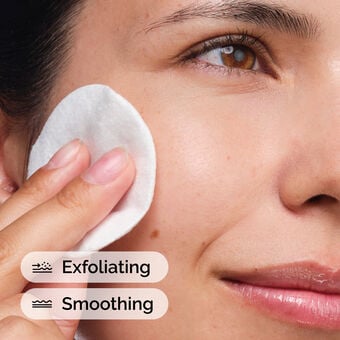
Who Can Benefit from Chemical Exfoliators?
If your skin looks dull, feels rough, or you regularly experience blackheads, clogged pores, uneven texture, or dark spots, a chemical exfoliator may help improve the appearance of your skin. Unlike physical scrubs, chemical exfoliants use active acids to loosen dead skin cells and support natural skin renewal.
People across Pakistan dealing with acne marks, post-inflammatory hyperpigmentation, uneven skin tone, and visible pores may benefit from carefully selected exfoliating products. Those with oily or combination skin often prefer salicylic acid, which can penetrate into pores and help remove excess oil and buildup.
For mature skin, alpha hydroxy acids (AHAs) such as glycolic and lactic acid can help improve the appearance of dullness, uneven texture, and fine lines by encouraging surface-level exfoliation.
Even sensitive or dry skin can potentially use chemical exfoliators. Gentle options such as lactic acid and PHAs may provide exfoliation with a lower risk of irritation when introduced gradually.
If you are new to acids, start slowly, avoid combining multiple strong exfoliants at once, and perform a patch test before applying a new product to your entire face.
Understanding Key Chemical Exfoliating Ingredients
Different acids target different skin concerns, so understanding the ingredients can help you choose the right The Ordinary exfoliator for your routine.
Glycolic Acid
Glycolic acid is one of the most widely used AHAs. Its small molecular size allows it to exfoliate the skin's surface effectively, helping improve the appearance of dullness, uneven texture, and pigmentation with consistent use.
Lactic Acid
Lactic acid provides surface exfoliation while generally being considered a gentler AHA option than glycolic acid. It can be particularly appealing for people with dry, sensitive, or easily irritated skin who still want to incorporate chemical exfoliation.
Salicylic Acid
Salicylic acid is a beta hydroxy acid (BHA) that is especially popular for oily and acne-prone skin. Because it is oil-soluble, it can work within pores to help remove excess sebum and buildup, making it useful for the appearance of blackheads and congestion.
Mandelic Acid
Mandelic acid is an AHA with a larger molecular structure than glycolic acid. It provides exfoliation more gradually and may be a suitable option for people looking for a gentler approach to uneven texture and skin tone.
Choosing the Right Chemical Exfoliator
1. For Oily and Acne-Prone Skin
If excess oil, blackheads, and clogged pores are your primary concerns, a salicylic acid exfoliator may be a suitable choice. Begin with limited use, such as once or twice a week, and increase frequency only if your skin tolerates it well.
2. For Dark Spots and Uneven Skin Tone
AHAs such as glycolic acid and lactic acid can help improve the appearance of uneven tone and post-acne marks by removing accumulated dead skin cells and supporting surface renewal.
For deeper skin tones, including many South Asian skin types, avoid aggressive or excessive exfoliation. Irritation can sometimes lead to increased post-inflammatory pigmentation.
3. For Dry or Sensitive Skin
Start with a gentle exfoliating ingredient such as lactic acid or a PHA. Use it less frequently and follow with a hydrating moisturizer to help maintain the skin barrier.
Avoid introducing several active ingredients simultaneously, particularly if your skin is already dry or sensitive.
4. For Dull or Mature Skin
Glycolic acid and mandelic acid can help improve the appearance of surface dullness, rough texture, and fine lines. For a complete skincare routine, combine exfoliation with hydrating ingredients and daily sun protection.
Using Chemical Exfoliators in Pakistan's Climate
Pakistan's strong sunlight makes daily sunscreen especially important when using chemical exfoliants. Exfoliation can make skin more sensitive to environmental exposure, so apply a broad-spectrum SPF 30 or higher every morning and reapply when spending extended periods outdoors.
Climate can also influence how frequently you exfoliate.
In humid areas such as Karachi, oily skin may feel more congested, but this does not necessarily mean that aggressive or daily exfoliation is appropriate. In colder and drier conditions, such as Lahore's winter months, reducing exfoliation frequency may help prevent excessive dryness and irritation.
Hard water and frequent cleansing can also contribute to skin dryness. If your skin becomes tight, irritated, or unusually sensitive after introducing an acid, reduce usage and focus on hydration and barrier support.
For naturally deeper skin tones, avoid over-exfoliation and high-strength peels unless you know your skin can tolerate them. Irritation may contribute to post-inflammatory hyperpigmentation, which can make dark spots more noticeable.
How to Use a Chemical Exfoliator Safely
For beginners, a simple approach is best:
- Start with one exfoliating product rather than several acids.
- Introduce it once or twice a week.
- Apply according to the product's instructions.
- Follow with a gentle moisturizer.
- Use sunscreen every morning.
- Avoid combining strong exfoliants with multiple potentially irritating actives.
- Reduce or stop use if you experience persistent burning, redness, or irritation.
Consistency is generally more important than using a high-strength product frequently.
Shop Authentic The Ordinary Exfoliators in Pakistan
When purchasing active skincare products such as The Ordinary chemical exfoliators, face peels, glycolic acid, lactic acid, or salicylic acid, product authenticity and proper storage are important.
At Ordinary-Pakistan.com.pk, we offer genuine imported The Ordinary products in Pakistan, complete with batch information that customers can use to verify product details.
We provide Cash on Delivery for convenient ordering across Pakistan, along with a 7-day money-back guarantee and 2–4 day delivery. Products are carefully packaged to help maintain their condition during delivery.
Whether you are looking for a dead skin remover in Pakistan, a solution for clogged pores, or a chemical exfoliator for dull and uneven skin, choosing the right acid for your skin type can help you build a more effective and consistent skincare routine.

 SAVE 50%
 SAVE 50%
 SAVE 50%