Who Can Benefit From Barrier-Supporting Skincare?
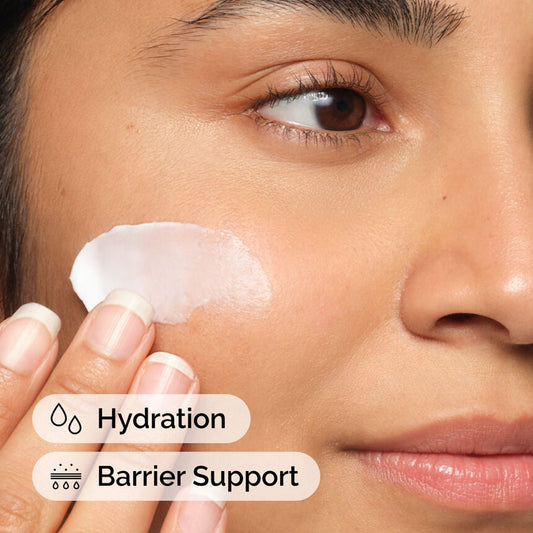
If your skin frequently feels tight, dry, sensitive, rough, or uncomfortable after cleansing, your skincare routine may benefit from a stronger focus on barrier support. The skin barrier helps protect against environmental stressors while reducing unnecessary moisture loss.
People across Pakistan may experience barrier-related concerns because of hard water, excessive cleansing, pollution, sun exposure, dry weather, air conditioning, or frequent use of strong active ingredients.
Barrier-supporting skincare may be particularly useful for:
- Dry or dehydrated skin
- Sensitive or easily irritated skin
- Tightness after cleansing
- Rough or flaky texture
- Redness associated with dryness
- Skin recovering from over-exfoliation
- Skin exposed to harsh environmental conditions
Understanding the Skin Barrier
The outermost layer of the skin helps regulate moisture and provides protection against external environmental factors. When the barrier becomes compromised, skin may lose moisture more easily and become more sensitive to products that were previously comfortable.
A healthy skincare routine should therefore focus on gentle cleansing, hydration, moisturization, and appropriate sun protection rather than constantly adding stronger treatments.
Key Ingredients for Barrier Support
Ceramides
Ceramides are naturally occurring lipids found in the skin barrier. Skincare products containing ceramides can help support the barrier and reduce moisture loss.
Squalane
Squalane is a lightweight emollient that helps soften the skin and provide additional moisture-loss protection. It can be particularly useful for dry or dehydrated skin.
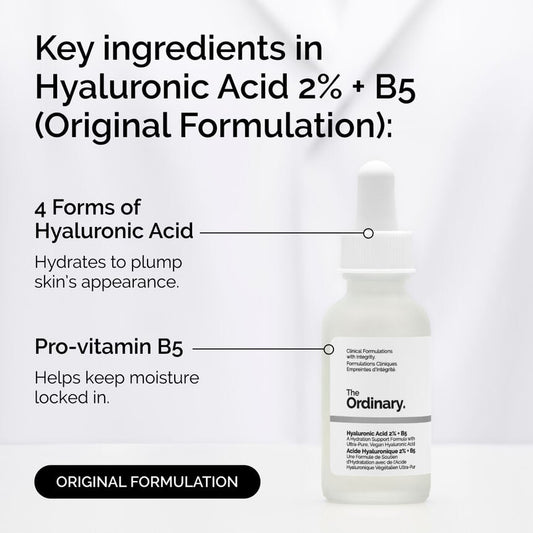
Hyaluronic Acid
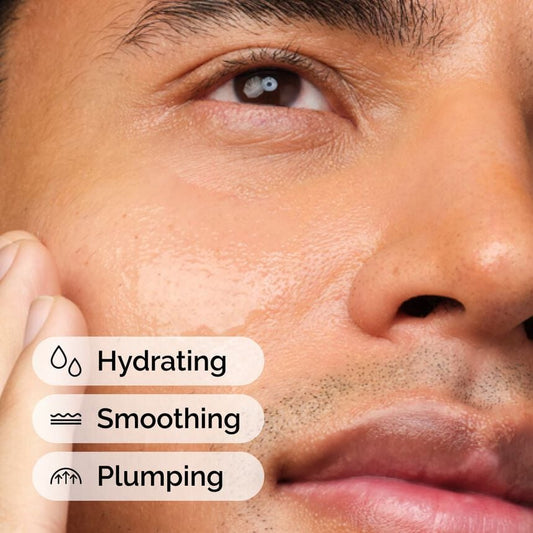
Hyaluronic acid attracts and retains moisture, helping dehydrated skin feel more comfortable and appear smoother.
Amino Acids
Amino acids are components associated with the skin's natural moisturizing system and can help support hydration and skin comfort.
Glycerin
Glycerin is a humectant that helps attract moisture to the skin and is commonly included in hydrating and barrier-supporting formulations.
Signs Your Skin May Need More Barrier Support
Your skin may benefit from simplifying your routine if you notice:
- Persistent tightness after cleansing
- Increased sensitivity to skincare products
- Flaking or rough patches
- Burning or stinging when applying products
- Unusual dryness
- Redness associated with irritation
- Skin that feels uncomfortable despite regular moisturizing
These symptoms can have multiple causes, so persistent or severe irritation should be evaluated by a qualified dermatologist.
How to Build a Barrier-Supporting Routine
Morning
- Use a gentle cleanser or rinse with lukewarm water.
- Apply a hydrating serum.
- Use a barrier-supporting moisturizer.
- Finish with broad-spectrum SPF 30 or higher.
Evening
- Cleanse gently.
- Apply a hydrating serum if needed.
- Use a moisturizer containing barrier-supporting ingredients.
- Apply a few drops of squalane or another suitable emollient if additional moisture is required.
Keep the routine simple while your skin is feeling particularly dry or sensitive.
Barrier Support After Active Treatments
Strong skincare ingredients such as retinoids, glycolic acid, lactic acid, and salicylic acid can sometimes cause dryness or irritation, especially when introduced too quickly.
If your skin becomes irritated, temporarily reducing the frequency of active treatments and focusing on hydration and moisturization may help restore comfort.
Avoid combining multiple strong exfoliants simply because each product targets a different concern. More active ingredients do not necessarily mean better results.
Barrier Support for Different Skin Types
Dry Skin
Choose richer moisturizers containing emollients, ceramides, squalane, or other barrier-supporting ingredients.
Oily Skin
Barrier support is still important. Choose lightweight, non-heavy moisturizers rather than skipping hydration completely.
Combination Skin
Use lightweight hydration across the face and apply richer products selectively to areas that feel dry.
Sensitive Skin
Prioritize simple formulations and avoid unnecessary fragrance, harsh exfoliation, and frequent changes to your routine.
Barrier Support in Pakistan's Climate
Pakistan's varied climate can create different challenges for the skin barrier.
In Karachi's humid environment, lightweight hydration may be more comfortable, while excessive layering can feel heavy.
During the dry winter months in Lahore and Islamabad, colder and drier air can increase moisture loss. A richer moisturizer or facial oil may provide additional comfort.
Hard water, pollution, dust, air conditioning, and strong sunlight can also contribute to environmental stress. Applying moisturizer shortly after cleansing can help reduce the feeling of dryness.
The Importance of Sun Protection
UV exposure can contribute to premature skin aging and environmental stress. Supporting the skin barrier should therefore be combined with daily sun protection.
Use a broad-spectrum SPF 30 or higher every morning and reapply according to the product's instructions when spending extended periods outdoors.
Why Choose ordinary-pakistan.com.pk for Barrier Support?
At ordinary-pakistan.com.pk, you can shop genuine imported The Ordinary skincare products in Pakistan, with batch information available for verification.
We offer Cash on Delivery, 2–4 day delivery, and a 7-day money-back guarantee, making it convenient to order authentic skincare products across Pakistan.
Whether you're looking for The Ordinary barrier-supporting products in Pakistan, ceramides, squalane, hydrating serums, or moisturizers, choosing gentle formulations and maintaining a consistent routine can help support a healthier, smoother, and more comfortable-looking skin barrier.
Individual results vary. If your skin remains severely irritated, cracked, painful, or unusually sensitive despite simplifying your routine, consult a qualified dermatologist.