Who Can Benefit From Niacinamide?
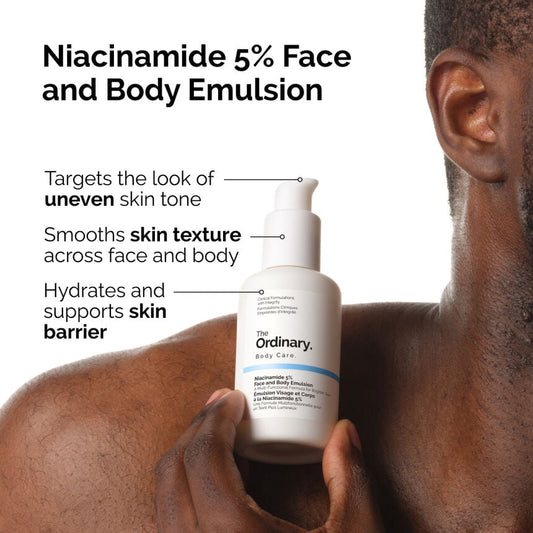
If you're dealing with excess oil, visible pores, uneven skin tone, blemishes, or a weakened skin barrier, niacinamide can be a versatile addition to your skincare routine. Also known as vitamin B3, niacinamide is a popular cosmetic ingredient used in products designed to support clearer, smoother, and more balanced-looking skin.
People across Pakistan may find niacinamide particularly useful when dealing with oily skin, humidity, pollution, dehydration, and uneven-looking pigmentation.
Niacinamide-focused products may be suitable for concerns such as:
- Excess sebum and visible shine
- Enlarged-looking pores
- Uneven skin tone
- Post-acne marks
- Dull-looking skin
- Dehydrated skin
- Compromised skin barrier
- Blemish-prone skin
What Is Niacinamide?
Niacinamide is a water-soluble form of vitamin B3 used in many skincare formulations. It is valued for its ability to support the skin barrier while addressing several cosmetic concerns at the same time.
Unlike strong exfoliating acids, niacinamide is generally considered a versatile ingredient that can fit into many different skincare routines.
Key Benefits of Niacinamide
Helps Control the Appearance of Excess Oil
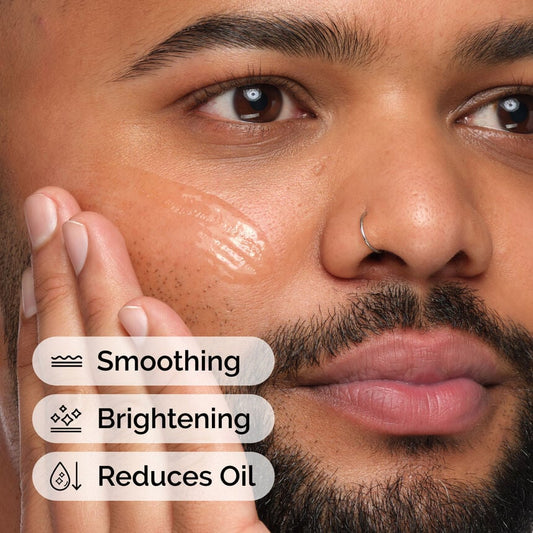
Niacinamide can help regulate the appearance of sebum, making it particularly useful for oily and combination skin types.
Supports the Skin Barrier
Niacinamide can support the skin's natural barrier function, helping maintain moisture and improve overall skin comfort.
Improves the Appearance of Pores
By helping manage excess oil and supporting smoother-looking skin, niacinamide can make enlarged-looking pores appear less noticeable.
Supports More Even-Looking Skin Tone
Niacinamide can help improve the appearance of uneven pigmentation and post-acne marks when used consistently as part of a broader skincare routine.
Helps Improve Skin Texture
Regular use may contribute to smoother, more balanced-looking skin, particularly when combined with adequate hydration.
Niacinamide for Different Skin Types
Oily Skin
Niacinamide can be especially useful for people looking to manage excess shine and sebum without using overly drying products.
Combination Skin
Apply lightweight niacinamide formulations across the face while using richer hydration only where needed.
Dry Skin
Niacinamide can support the skin barrier, but dry skin should also use a moisturizer containing suitable hydrating and emollient ingredients.
Sensitive Skin
Start with a lower concentration and introduce the product gradually. Patch testing is recommended, particularly if your skin is reactive.
Choosing the Right Niacinamide Product
Not every niacinamide formulation is identical. Consider the concentration, texture, additional ingredients, and your specific skin concerns.
For beginners, a moderate concentration may be easier to incorporate into a routine than immediately choosing the highest available strength.
If your primary concern is dehydration, consider a niacinamide formula combined with hydrating ingredients. For oily or blemish-prone skin, lightweight formulations may be more suitable.
How to Use Niacinamide
Niacinamide can generally be used in either your morning or evening routine, depending on the product instructions.
Morning Routine
- Cleanse gently.
- Apply niacinamide serum.
- Use moisturizer.
- Apply broad-spectrum SPF 30 or higher.
Evening Routine
- Cleanse your skin.
- Apply niacinamide serum.
- Follow with moisturizer.
Introduce one new active product at a time so you can identify how your skin responds.
Niacinamide and Other Ingredients
Niacinamide is compatible with many common skincare ingredients, including hyaluronic acid, peptides, ceramides, and moisturizers.
It can also be incorporated into routines containing exfoliating acids or retinoids, but if your skin is sensitive, introducing multiple active ingredients at the same time may increase the likelihood of irritation.
A simple routine is often easier to maintain and evaluate.
Niacinamide for Pakistani Skin
Niacinamide can be particularly relevant to skincare routines in Pakistan because many users deal with oiliness, humidity, pollution, sun exposure, and post-acne pigmentation.
For medium to deeper skin tones, avoiding unnecessary irritation is important because inflammation can contribute to post-inflammatory hyperpigmentation.
Niacinamide can be combined with daily sunscreen and gentle skincare to support a more even-looking complexion.
Niacinamide in Pakistan's Climate
Pakistan's climate varies considerably throughout the year.
In Karachi's humid weather, lightweight niacinamide serums can be comfortable for oily and combination skin.
During the hot summers in Lahore, niacinamide may complement a routine designed to manage visible shine and excess sebum.
In the drier winter months of Lahore and Islamabad, combine niacinamide with a suitable moisturizer to prevent dehydration and maintain skin comfort.
Pollution, dust, air conditioning, and hard water can also contribute to skin stress, making barrier-supporting skincare valuable.
Sunscreen Is Still Essential
Niacinamide does not replace sunscreen.
If you're using niacinamide to address uneven tone, dark spots, or post-acne marks, daily UV protection is particularly important.
Apply a broad-spectrum SPF 30 or higher every morning and reapply according to the sunscreen's instructions when spending extended periods outdoors.
Why Choose ordinary-pakistan.com.pk for Niacinamide?
At ordinary-pakistan.com.pk, you can shop genuine imported The Ordinary Niacinamide products in Pakistan, with batch information available for verification.
We offer Cash on Delivery, 2–4 day delivery, and a 7-day money-back guarantee, making it convenient to order authentic skincare products across Pakistan.
Whether you're looking for The Ordinary Niacinamide in Pakistan, niacinamide serum for oily skin, products for visible pores, or solutions for uneven skin tone, choosing a formulation suited to your skin type and using it consistently can help support clearer, smoother, and more balanced-looking skin.
Individual results vary. If you experience persistent irritation, severe acne, or significant pigmentation concerns, consult a qualified dermatologist.